
What a Technician Sees on These Calls
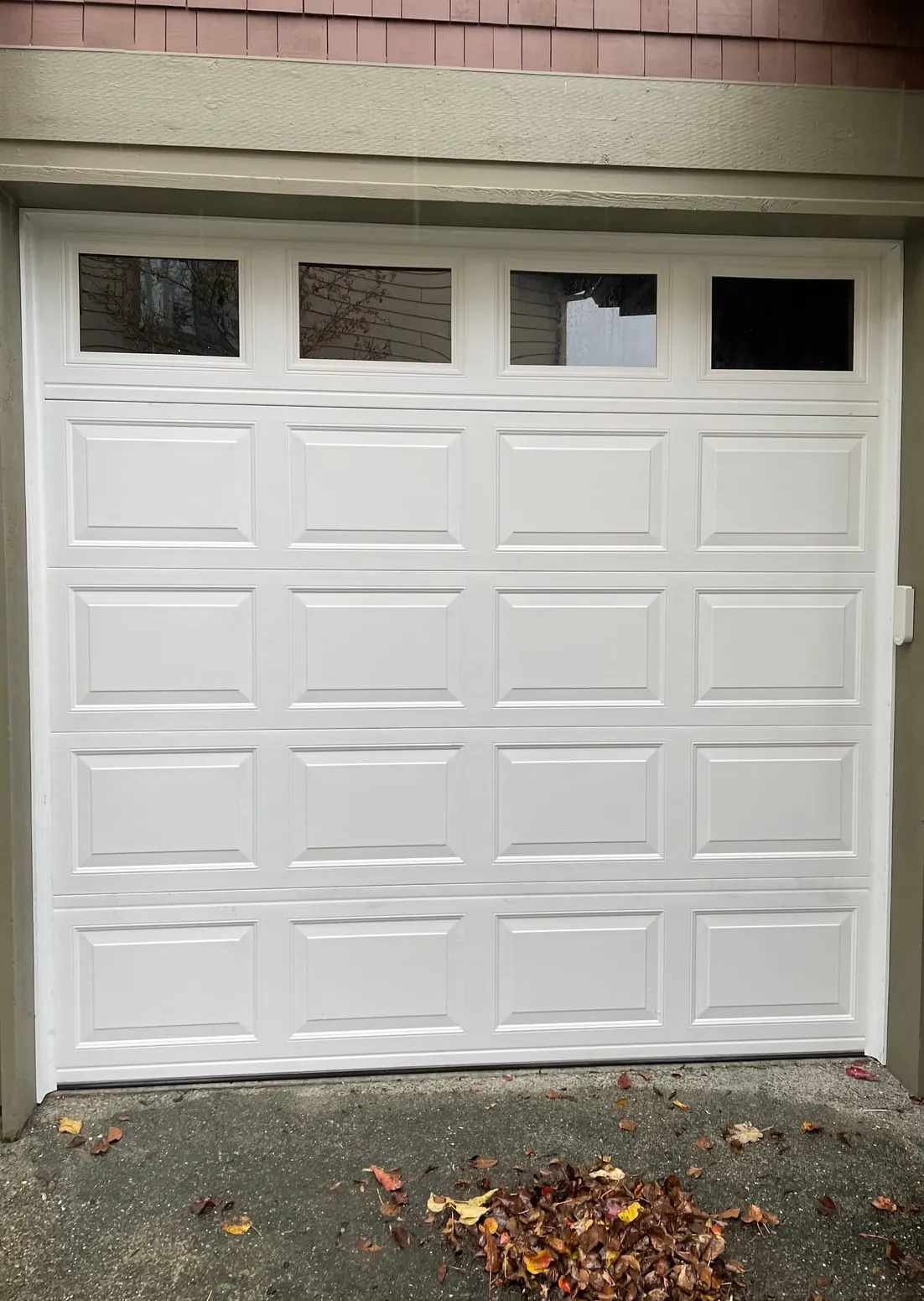
A common service call starts with a homeowner standing in the garage, pointing up at a row of windows across the top panel, and asking why there's a cold draft coming through in January that wasn't there in October. Nine times out of ten, the windows are single-pane acrylic inserts that were chosen years ago for looks, not performance. Another common call: a cracked or clouded window pane after a spring hailstorm, or a homeowner shopping for a new door who falls in love with a showroom model loaded with arched windows and never asks what's actually inside the glass. Windows can be a great feature on a garage door, but most of the regret comes from skipping a few basic questions before buying.
What Windows Actually Do to Your Garage Door
Light
Windows bring natural light into a space that's usually lit by one bare bulb or a dim opener light. If you use the garage as a workshop, hobby space, or just want to see what you're doing without flipping every switch, windows near the top of the door make a real difference, especially on short winter days when the garage stays dark most of the afternoon.
Privacy
Clear glass shows everything inside: parked cars, tools, bikes, whatever's stacked along the walls. For a lot of homeowners, that's not a big deal if the windows sit high on the top panel. It becomes a bigger concern with wider window rows lower on the door, or with doors visible from the street or a neighbor's driveway.
Security
This is the trade-off people think about least until something goes wrong. Windows give anyone walking by a clear view of whether a car is home, what's stored inside, and sometimes even a sightline to an interior door leading into the house. Frosted, tinted, or obscure glass solves most of this without giving up the light.
Insulation
This is the one that matters most locally. St. Louis winters bring real cold with ice and salt on the roads, and summers are humid enough that temperature swings inside an uninsulated garage can be dramatic. Single-pane window inserts are a weak point in an otherwise insulated door — they're basically a hole in the panel filled with whatever glass or acrylic was cheapest. If the rest of your door is insulated but the windows aren't, you've built in a cold spot that shows up as a draft, condensation, or even frost on the inside of the glass during a hard freeze.
What to Look For
- Insulated glass units (double-pane): Sealed, gas-filled glass performs far better than single-pane acrylic, especially for anyone who heats or cools the garage, or who has living space above or beside it.
- Frame material: Aluminum frames with a thermal break hold up better through big seasonal swings than cheap plastic frames, which can warp or crack as temperatures move from summer humidity to winter cold.
- Placement: Windows set higher on the top panel let in light without exposing the whole interior. A single row usually balances light and privacy better than multiple rows running down the door.
- Obscure, frosted, or tinted glass: These let light through while blurring what's visible from outside — a reasonable middle ground when you want windows but not a street-facing display case.
- Impact-rated glass or polycarbonate: Worth asking about if you've had hail damage before. Spring storm season here is no joke, and a cracked window pane is one of the most common repairs after a bad storm rolls through.
What to Ignore
Grille patterns, decorative shapes, and matching the window style to your house windows are purely cosmetic. They don't affect insulation, privacy, or security, so don't let them drive the budget. Also don't assume a more expensive arched or specialty window shape performs better — in most cases it's the same glass and frame technology in a fancier cut, at a higher price.
Questions to Ask Before You Buy
- Is the glass single-pane or insulated double-pane, and what's the approximate R-value difference versus a solid insulated panel?
- Are frosted or tinted options available in the same window style, in case privacy becomes a concern later?
- Can a single cracked pane be replaced, or does the whole panel need to be swapped?
- What's the warranty on the seal between panes? Fogged or cloudy glass usually means a seal failure, and it's worth knowing upfront how that's covered.
- How does the window option affect the door's overall insulation rating, if that number matters for your garage's use?
When to Call St. Louis Garage Door Experts
If you're shopping for a new door and want windows that actually hold up through a Missouri winter and a stormy spring, our garage door installation team can walk you through real glass and frame options side by side, not just showroom photos. If you already have windows that are fogged, cracked, drafty, or just letting in more cold air than they should, our garage door repair service can often replace the window insert or reseal it without replacing the whole door. Either way, we'll give you a straight answer about what's worth paying for and what's just decoration.
If you're weighing your options or dealing with a window pane that's already cracked or fogged, call St. Louis Garage Door Experts on Goodfellow Blvd. We serve St. Louis, University City, Clayton, Florissant, Ferguson, Maplewood, Overland, and Jennings, with same-day service available across the metro when you need it fast.